
Blog
Spring Landscaping Guide for Central Virginia Homeowners

April 8, 2026
As the frost begins to fade across Central Virginia, homeowners in Richmond, Lake Anna, Powhatan, and Goochland are likely looking at their yards with a mix of excitement and uncertainty. This transition is particularly unique for those who have recently moved into a newly built home. At Vertical Builders, we know that a brand-new house is a blank canvas. While the interior is move-in ready, the exterior often begins its journey as a fresh slate of professionally graded soil, protected by seed and straw. This stage is the essential foundation for your future lawn, offering a "start-from-scratch" opportunity to design the outdoor living space you’ve always imagined.
Spring in our region is more than just a season for planting flowers. It is the critical window for establishing the foundation of your outdoor living space. Whether you are dealing with the red clay of Powhatan or the sandy loam near Lake Anna, the steps you take in March and April will determine the health of your landscape for the rest of the year. This guide provides a comprehensive roadmap for transforming your new build's yard into a lush, sustainable environment.
Understanding the Central Virginia Landscape
Central Virginia sits in a unique transition zone. Our climate features mild winters but sizzling, humid summers. This means we can grow a wide variety of plants, but they must be hardy enough to handle the "sticky Southern heat" that often arrives by July.
The soil is another major factor. In areas like Midlothian and Mechanicsville, you will likely encounter heavy clay. Clay is excellent for holding nutrients, but it drains poorly and compacts easily, which can suffocate new root systems. Near the James River or Lake Anna, you might find more sandy soil that drains quickly but requires more frequent watering and nutrient supplementation.
Phase 1: Preparing Your New Canvas
For a newly built home, your first task is often "yard triage." The homebuilding process can leave soil heavily compacted. Before you even think about seed or shrubs, you must prepare the ground.
1. Clear and Clean the Area
Walk your property and remove any debris, loose rocks, or dead plant material that may have accumulated over the winter. This creates a safe, clear workspace for your landscaping projects.
2. Address Drainage and Grading
One of the most important things a new homeowner can do is observe how water moves across the property during a spring rain. You want to ensure water is flowing away from your foundation. If you notice pooling in certain areas, spring is the time to address any drainage concerns before they become permanent problems for your lawn or basement.
Phase 2: Establishing a New Lawn
Establishing a lawn from scratch is one of the biggest challenges for new builds. In Virginia, you are likely choosing between cool-season grasses like Tall Fescue or warm-season varieties like Bermuda or Zoysia.
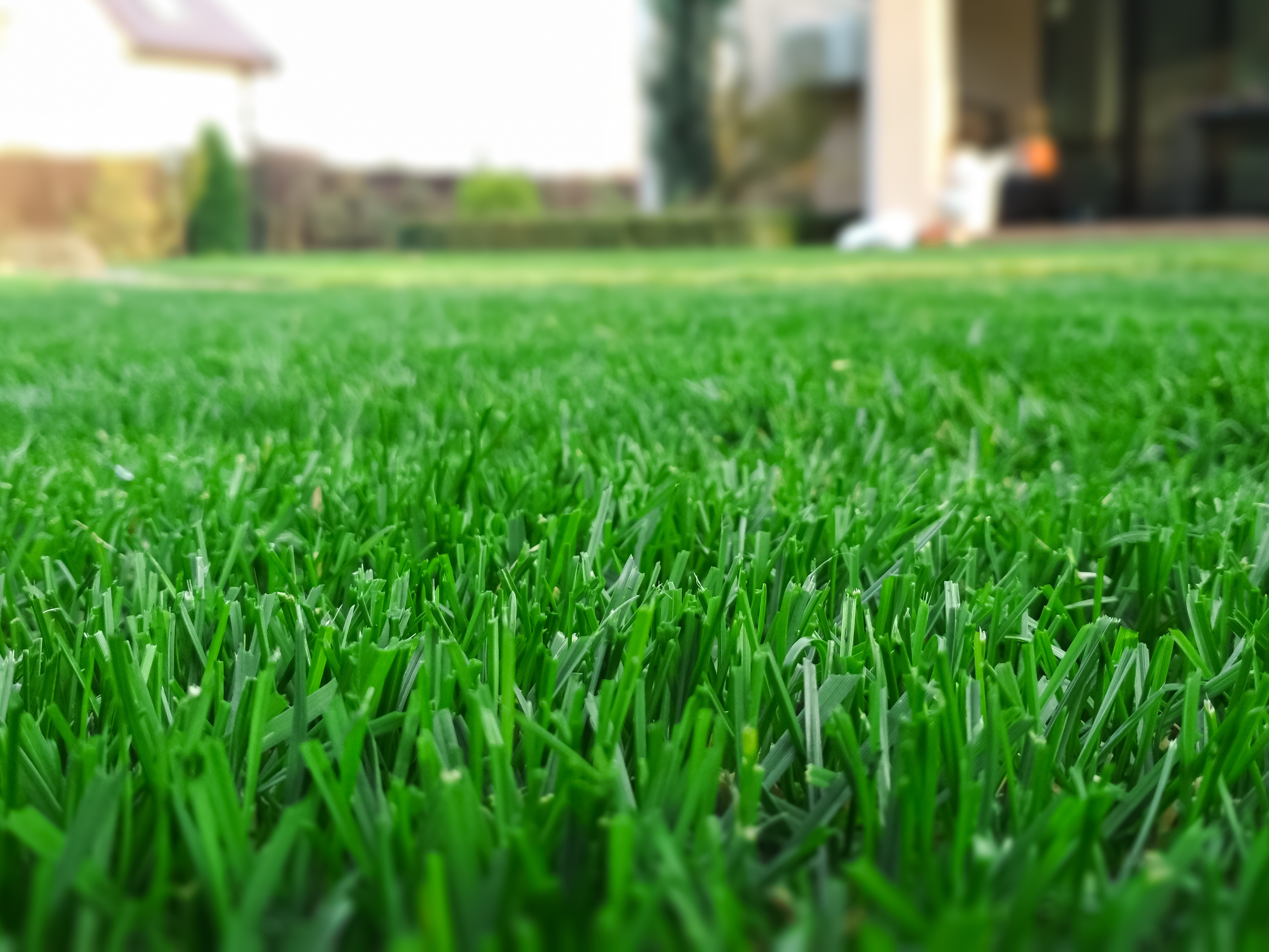
Seeding Cool-Season Grass (Tall Fescue)
While fall is technically the best time for seeding fescue, many new homeowners cannot wait six months for a lawn. Spring seeding is acceptable, provided you follow a strict regimen.
- Timing: Aim to plant when air temperatures are between 60°F and 80°F.
- Preparation: Till the soil to a depth of 3 to 4 inches to create a soft seedbed.
- Application: Use high-quality seed. Spread half in one direction and the other half at a 90-degree angle to ensure uniform coverage. Lightly rake the seed into the soil to ensure good "seed-to-soil contact".
- Watering: New seed must stay moist. This may require light watering multiple times a day until the grass germinates.
Managing Established Sod
If your new home came with sod, spring is about maintenance.
- Mowing: For Tall Fescue, mow high (2 to 3 inches) to encourage deep roots and shade out weeds. Never remove more than one-third of the grass blade at a time.
- Warm-Season Grasses: If you have Bermuda or Zoysia, do not start mowing in March. Wait until you see a "green haze" of active growth, typically in late April or May.
Phase 3: Strategic Planting for Curb Appeal
Once the lawn is underway, you can begin adding structure with trees and shrubs. For new homes, focus on "foundation plantings" first.
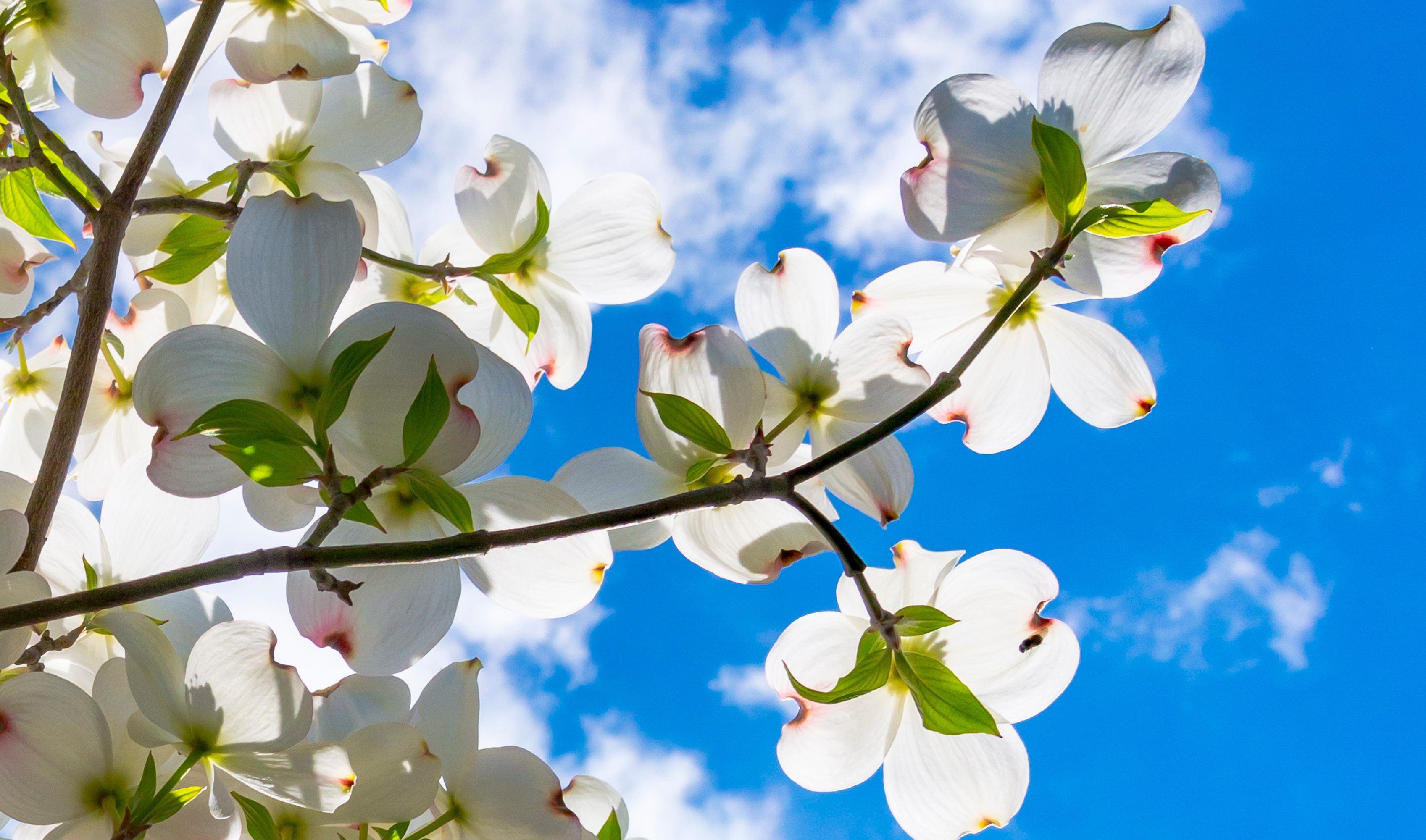
Recommended Native and Adapted Plants
Choosing plants that are native to Central Virginia reduces the need for harsh chemicals and ensures they can survive our specific climate.
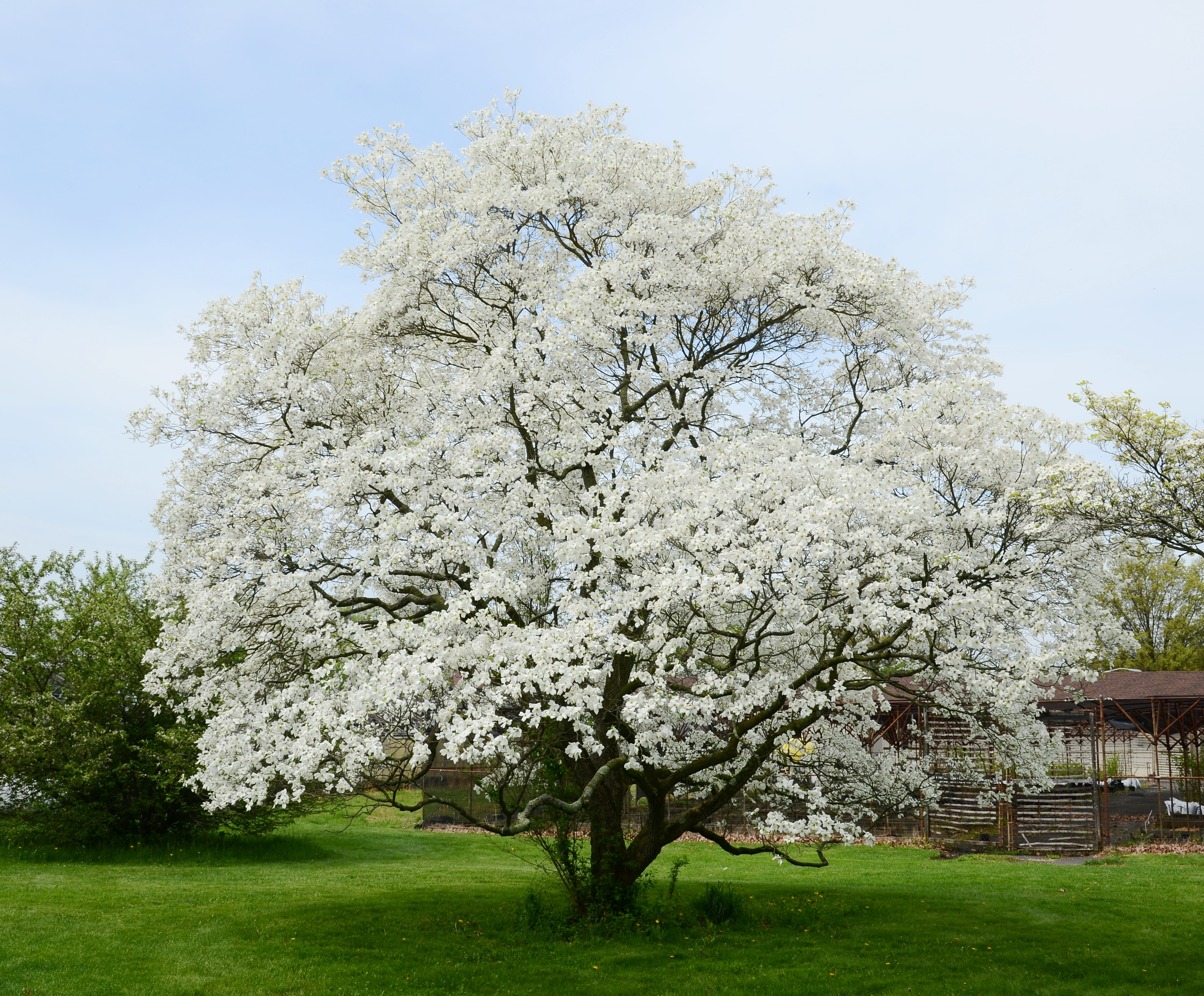
- Trees: The Flowering Dogwood is Virginia’s state tree and thrives here, offering beautiful white spring blossoms.
- Shrubs for Structure: The Oakland Holly is a fantastic, low-maintenance evergreen that maintains a natural upright shape without needing pruning.
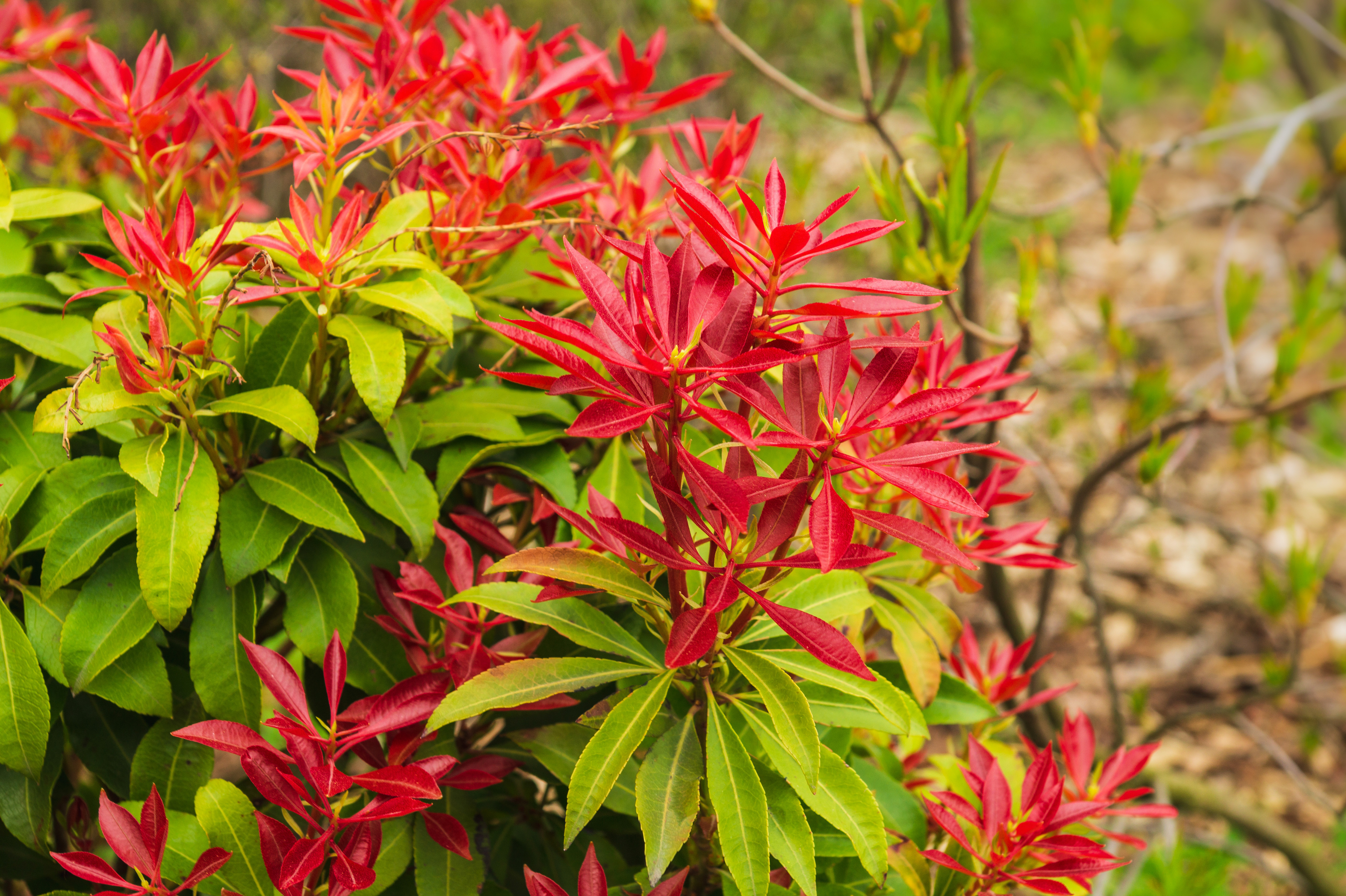
- Spring Color: Consider the Mountain Fire Pieris, which features fiery red new foliage and cascading white flowers in early spring. For a pop of purple, the Purple Daydream Loropetalum is a compact, evergreen choice that produces dark pink blooms.
Planting Tips for New Success
- Mulching: Apply a layer of double-shredded wood mulch around your new plantings to retain moisture and suppress weeds. Avoid "mulch volcanoes" by keeping the mulch away from the base of tree trunks.
- Grouping: Group plants with similar water and sun needs together to make maintenance easier.
Phase 4: Navigating the Septic System Landscape
For many of our homeowners in more rural stretches like Goochland or Powhatan, a septic system is a standard part of the property. While these systems are highly efficient, they require specific landscaping considerations to ensure they function properly for decades. The area above your septic tank and drain field is not just open yard space; it is a critical piece of infrastructure.
Protecting the Drain Field
The drain field relies on evaporation and healthy soil to treat wastewater. If you compact the soil or block evaporation, the system can fail.
- Avoid Heavy Traffic: While standard riding lawn mowers and zero-turns are perfectly safe for regular grass maintenance, you should never drive cars, trucks, or heavy construction equipment over the area. These heavier loads can crush the underlying pipes and compact the soil, preventing oxygen from reaching the beneficial bacteria that break down waste.
- Limit Structures: Do not build sheds, decks, or patios over the septic area. Even "temporary" structures like above-ground pools are a no-go because they block the soil's ability to "breathe."
- Consult Your Plat: If you are unsure exactly where your tank or drain lines are, check the plat or survey of your home site. This document provides the exact locations of your septic system, helping you avoid accidental damage or building over a critical area.
Selecting Plants for Septic Areas
The goal for a drain field is to have plants with shallow, non-aggressive root systems.
- Stick to Grass: The safest and most effective cover for a septic field is a traditional lawn. Grass roots are shallow enough to hold the soil in place without invading the pipes.
- Avoid "Water-Seekers": Never plant trees or large shrubs near the drain field. Species like Willows, Maples, and Elms have aggressive roots that will seek out the moisture in your septic pipes and eventually clog or burst them. As a general rule, trees should be planted at least as far away as their expected height at maturity.
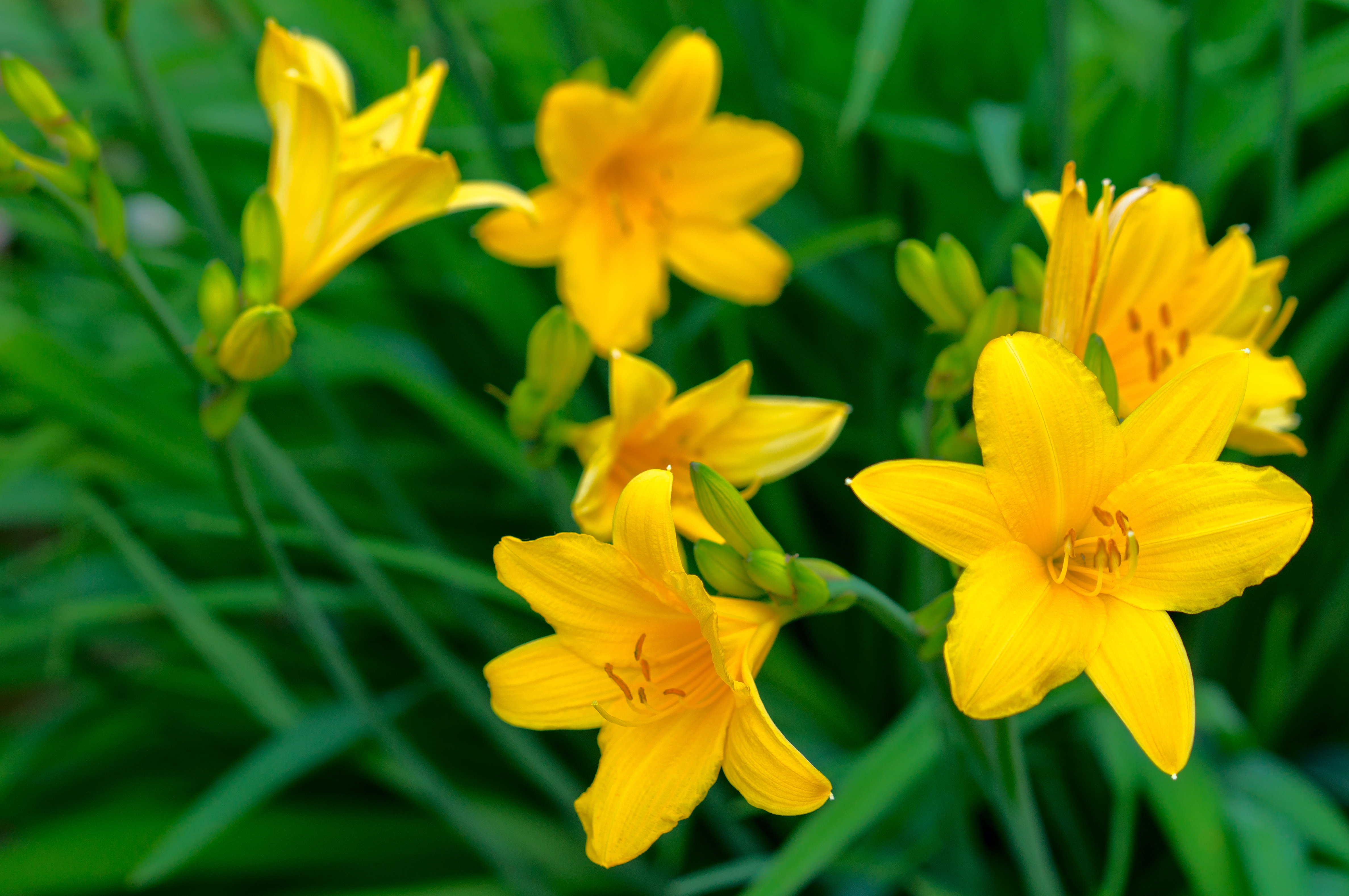
- Perennials and Bulbs: If you want a bit more color than just grass, shallow-rooted perennials like daylilies, coneflowers, or spring bulbs like daffodils are generally safe choices.
Phase 5: Hardscaping and Outdoor Living
In Central Virginia, spring is the perfect time to plan your "outdoor rooms." Whether it is a concrete patio for summer BBQs or a fire pit for crisp autumn nights, hardscaping adds immense value to a new home.
Planning for Longevity
When installing a patio or walkway, professional grading is key. You want to ensure that these non-porous surfaces do not create runoff issues that flood your lawn or neighbors' properties.
Lighting the Way
Early spring is also a great time to install low-voltage landscape lighting. As the days get longer, you will want to spend more time outside. Path lights and "moonlighting" in your newly planted trees can make a new build feel like a warm, established estate overnight.

Phase 6: Long-Term Maintenance and Protection
The work does not end once the plants are in the ground. Spring is the time to set up your defense against the coming summer heat.
Weed Control
Apply pre-emergent herbicides in early spring to stop weeds like crabgrass before they take root. If you are hand-weeding, early spring is the best time because the soil is still loose and moist.

Irrigation Systems
If your home has an irrigation system, now is the time to prep it. Check for leaks and ensure the spray heads are hitting your plants and lawn rather than your siding or driveway. If you do not have a system, consider using soaker hoses for new trees and shrubs to ensure water reaches the deep root zones.
Local Resources for Central Virginia Homeowners
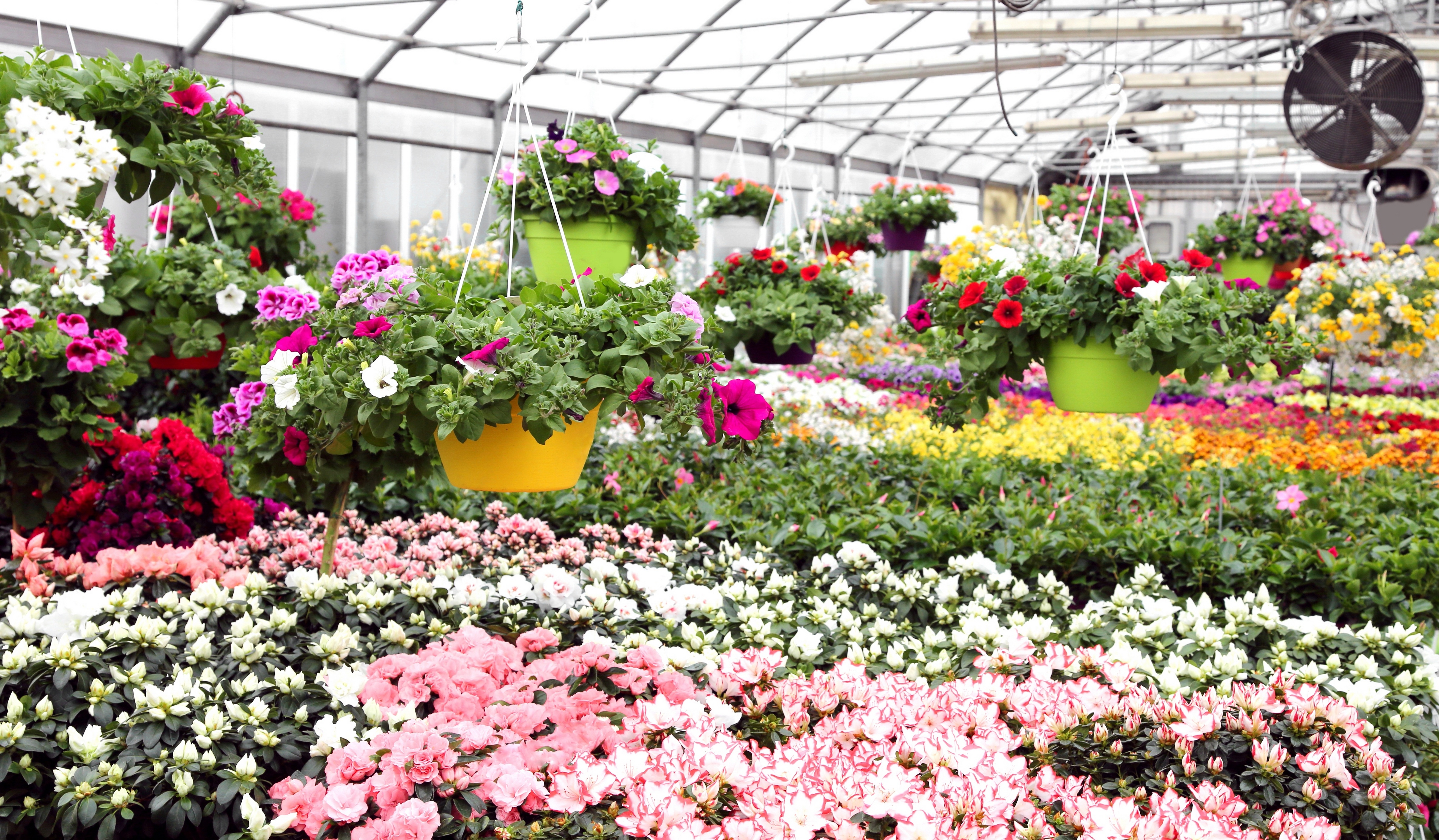
To find the best selections for our specific climate, visit local nurseries where experts understand the soil of Goochland and Powhatan.
- Glen Allen Greenhouse: Known for an extensive selection of native plants and healthy vegetable starts.
- Great Big Greenhouse & Nursery:Nursery offering a wide array of plants & accessories, plus a weekly farmer's market.
- Cross Creek Nursery (West End & Midlothian): Offers a wide variety of plants and professional landscaping services specifically for the Richmond area.
- Lake Anna Nursery & Landscaping: A great resource for those living near the lake, specializing in hardscaping and lakeside gardens.
Conclusion
Building a yard from scratch takes patience, but starting with the right steps in the spring ensures your home at verticalbuilders.com looks as beautiful on the outside as it does on the inside. By focusing on soil health, choosing the right grass, and respecting the unique requirements of your septic system, you are creating a landscape that will thrive for years to come.
A new home is a long-term investment, and the landscape is its living frame. Take the time this spring to lay the groundwork, and by the time the humid Virginia summer arrives, you will be able to sit back and enjoy the view.

